
The TAMUSA of Tomorrow

By Sam Boykin
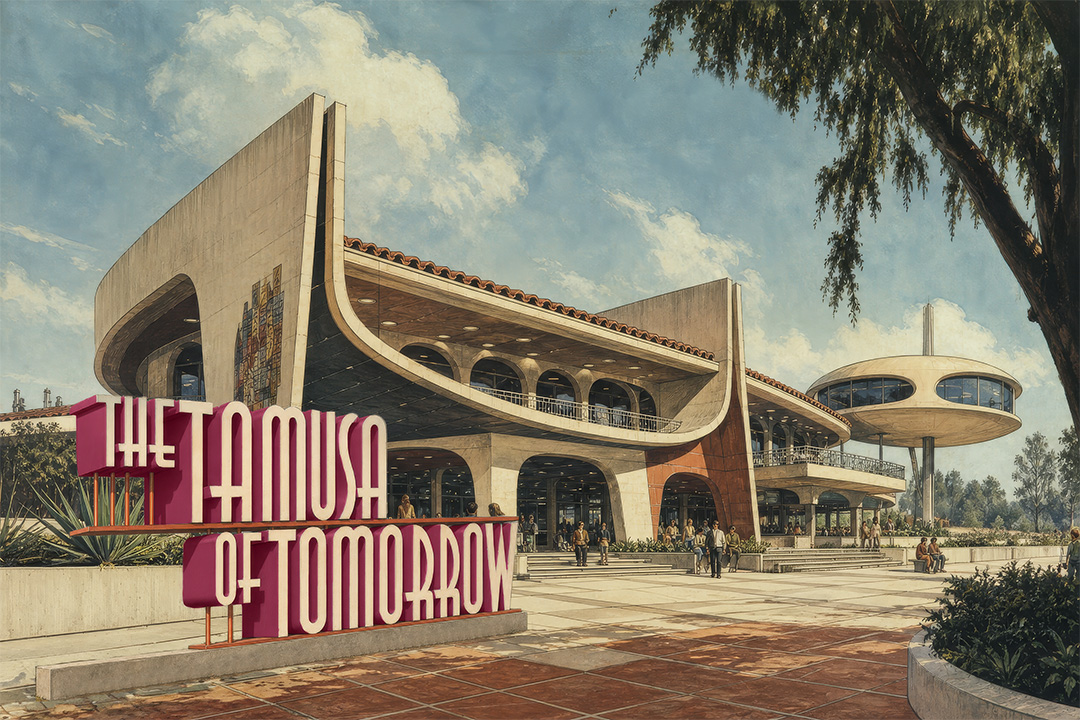 Earlier this year, faculty and staff gathered around an oversized campus map with markers in hand. They were encouraged to dream big and draw the projects they would one day like to see take shape.
Some ideas were playful — a lazy river, perhaps, or even a helipad. Others reflected the needs of a rapidly growing university. The activity was part of the official launch of TAMUSA 2030: All In, the University's new strategic plan. Designed around six interconnected pillars, the roadmap outlines ambitious goals for student success, academic excellence, research, community partnerships and building a destination campus that reflects the University's aspirations.
Together, the ideas drawn on that campus map became more than a wish list. They offered a glimpse into how the A&M-San Antonio community imagines what comes next.
The Heart of Campus
Every great campus has a place where people naturally come together.
It is where friendships begin, organizations meet and traditions are created. For Student Government Association President Caroleena Mancilla, that place is a student union.
To her, it represents much more than another building.
"It would serve as the heart of campus life," she said. "Students need a dedicated space where they can gather, collaborate, study, attend events and build meaningful relationships outside the classroom."
As enrollment is expected to grow in the coming years, Mancilla imagines the student union becoming the University's living room — a place where students grab coffee before class, meet friends between lectures and discover organizations that shape their college experience.
Vice President for Student Affairs Juan Guardia shares that vision.
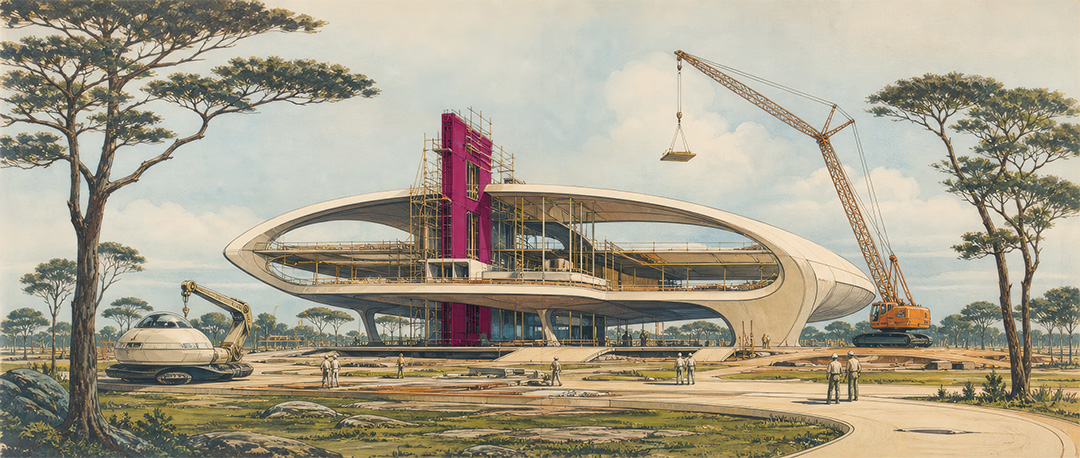
"Bringing a student union to campus in the near future is a top priority for me," Guardia said. "It should be a true home away from home for students — the vibrant heart of campus that seamlessly connects them to life outside the classroom."
Momentum is already building. In late 2023, students approved a $100 per-semester student center fee to help finance the construction of a student union, and The Texas A&M University System Board of Regents approved the initiative the following year.
While funding and design remain in the early stages, preliminary concepts include a theater or auditorium, ballroom, student organization offices, meeting rooms, expanded dining, a campus bookstore and outdoor gathering spaces.
A Taste of What's Ahead
A thriving campus doesn't end at its sidewalks.
The areas surrounding a university help shape the student experience just as much as the buildings within it. As A&M-San Antonio has grown, it has helped spur nearby development, including the VIDA community and University Health's hospital and medical complex.
For David Mantiply, coordinator of student rights and responsibilities, dining and retail are the next important pieces of creating a more vibrant campus environment.
"It's about creating more opportunities on and around campus," Mantiply said. "Students shouldn't have to leave just to grab a meal."
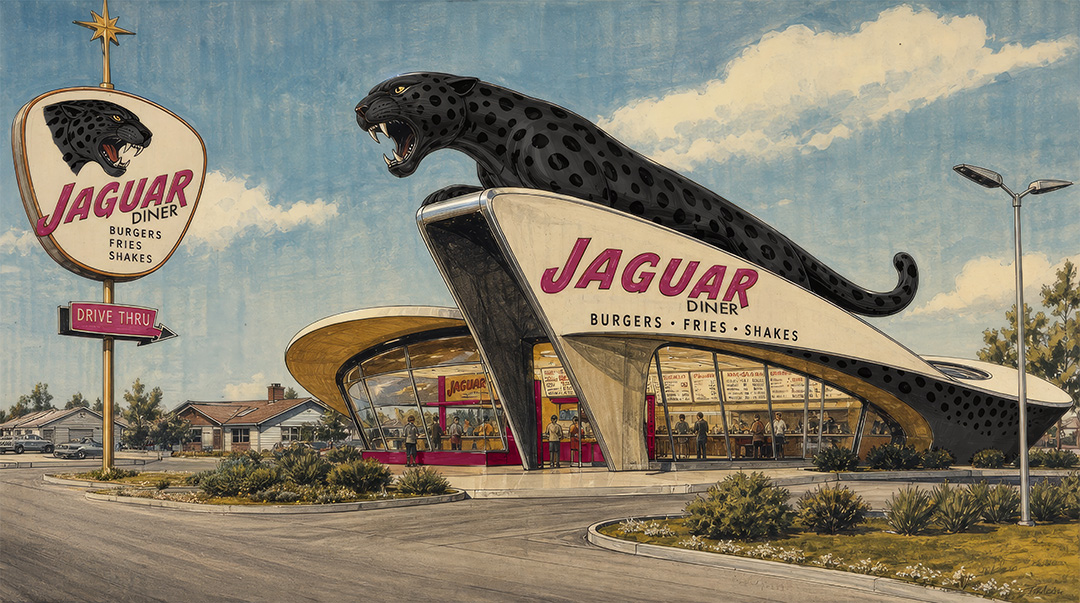 He imagines restaurants and coffee shops becoming informal gathering places where students can continue conversations after class, celebrate milestones and spend more time near campus.
"That kind of development would help create more of a sense of place and community," he said.
That vision may soon become reality.
Gretchen Howell, chief operating officer of Southstar, the developer behind VIDA, said the area's first retail development is expected to open in mid-2027 near South Zarzamora Street and Mitra Way. Several restaurants and a coffee shop have already committed to the project, pending approvals from the City of San Antonio.
Another retail development near Loop 410 and University Way is also under contract and tentatively scheduled to open in late 2027.
"These are all great brands that are excited to serve the campus community," Howell said. "I know students will be pleased."
Championship Brands
In just five years, Jaguar Athletics has grown from a new program into one of the University's fastest-growing success stories.
The opening of the University Recreation Center in 2024 and the recent completion of the $10 million Track and Field Complex have expanded opportunities for student-athletes. With the addition of men's and women's indoor and outdoor track and field and men's and women's cross country, the University now competes in 12 varsity sports.
 Women's Basketball Head Coach Christopher Minner believes the next step in that evolution is a dedicated basketball and volleyball arena.
"Our current facilities are great, and they've helped launch championship programs, but future success will require room to grow," Minner said. "As enrollment increases and athletics expands, we'll need more locker rooms, training rooms and equipment."
A new arena could provide a permanent home for Jaguar teams while creating opportunities to host conference championships, regional tournaments and, eventually, national postseason competition.
More importantly, Minner believes the facility would help strengthen campus traditions.
"As we move forward, it's going to be essential that we have more space for our athletic programs to improve and excel," he said. "It's critical for our future success."
Learning Where Nature Lives
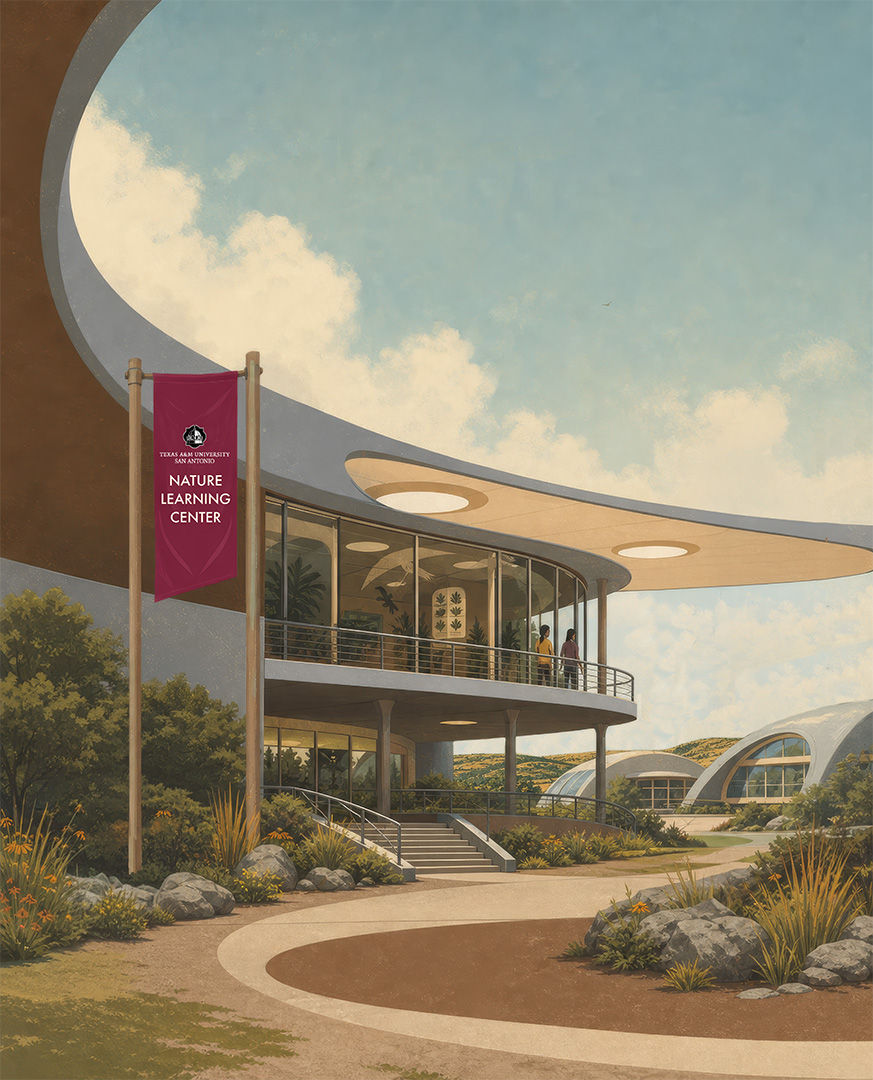 When envisioning what she’d like to see take shape on campus, Davida Smyth, director for research development and administration and professor of biology, stresses that A&M-San Antonio has a unique opportunity to showcase the region's biodiversity through a living research and education center.
Smyth imagines a field station and nature center featuring interactive exhibits, outdoor learning spaces and preserved wildlife specimens that highlight native species such as armadillos, coyotes, roadrunners and lizards.
The facility would allow visitors to explore the area's natural environment while giving students opportunities to conduct research in the ecosystems they study.
"It would be a celebration of the biodiversity of the South Side," Smyth said.
That vision could extend beyond the main campus through the University's 380-acre Espada property along the San Antonio River. In 2022, A&M-San Antonio partnered with the San Antonio River Authority to develop the property, with long-term plans calling for an outdoor laboratory and research center.
Although additional funding and infrastructure improvements are still needed, Smyth believes the Espada property and a potential on-campus facility could work together to create a network of outdoor learning spaces.
"It would be a great way to engage and interact with the public and campus community," she said. "A place where people can explore, connect with nature and conduct research."
Creativity Takes the Stage
Just as some want to celebrate the area’s natural world, others want a way to showcase local creativity.
Katherine Gillen, interim dean of the College of Arts and Sciences, believes future creative spaces will play an important role in shaping campus culture.
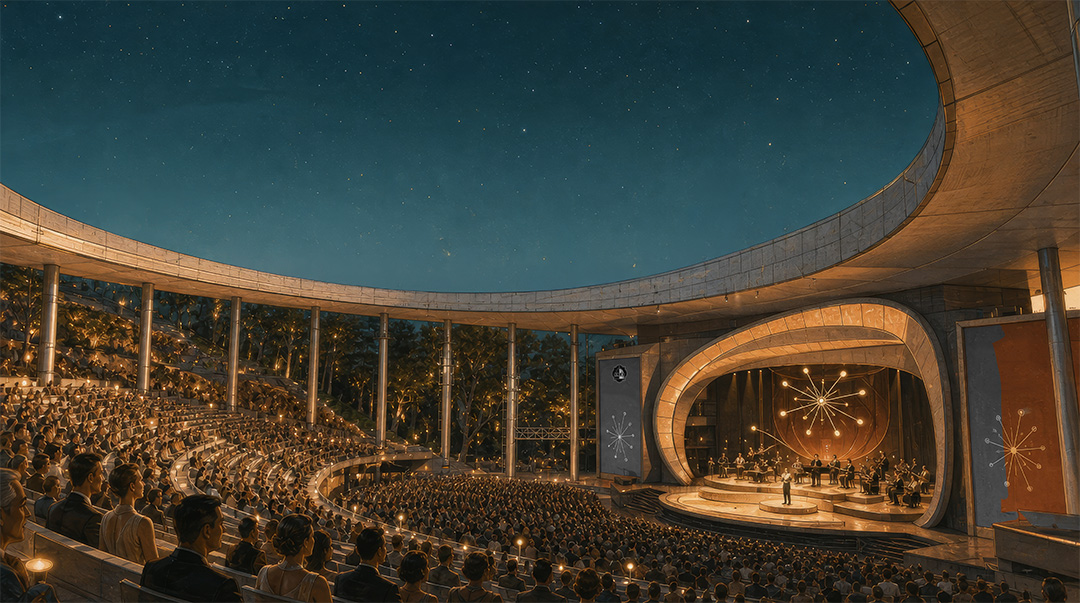 She envisions an outdoor amphitheater, black box theater or flexible performance venue where students and faculty can showcase their work through plays, concerts, poetry readings, exhibitions and community events.
"I would love to see some kind of performance space where we can really highlight students' work and creativity," she said.
Some elements of that vision are already taking shape.
The University is moving forward with plans for a 1-acre development with a garden, greenhouse and covered pavilion that will serve as both an outdoor classroom and a venue for events such as movie nights, poetry readings and other gatherings.
"This kind of project would work across disciplines and blend the sciences and the arts in really interesting ways," Gillen said. "It's a great way to encourage collaboration and allow faculty and students to share and enjoy each other's work."
Wellness in Every Direction
Not every meaningful campus improvement requires a major construction project.
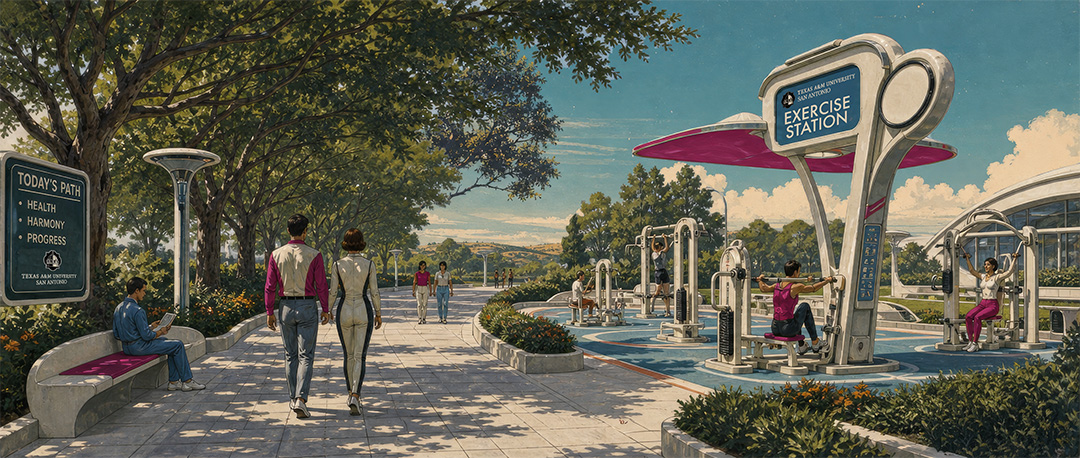 Senior Lecturer Robert Alonzo imagines something much simpler: a shaded walking trail with outdoor exercise stations winding through campus.
Alonzo, who has been part of A&M-San Antonio since 2009 after nearly three decades of military and federal service, including the FBI, was inspired by a similar facility at a university where he officiated NCAA soccer matches.
He envisions a path beneath mature trees with permanent fitness stations where students, faculty and staff could exercise, relax and enjoy the outdoors.
"It would be a great addition," Alonzo said. "Students could walk and enjoy a safe workout any time of day, while faculty and staff could exercise during lunch or after work."
With hundreds of acres available, Alonzo believes the University has room to create spaces that encourage wellness and connection.
"Sometimes the most meaningful campus spaces are the ones that just invite people outside," he said.
Looking Beyond the Horizon
Every idea shared during the TAMUSA 2030: All In launch — from a student union to research facilities, athletic venues and gathering spaces — represents something larger than the project itself.
For Charles Watson, professor of biology, the future of A&M-San Antonio cannot be measured only in buildings.
As the University continues to evolve, he believes its greatest impact will come from expanding research, scholarship, creativity and community engagement.
The spaces imagined across campus matter because of what they make possible.
"We have to start amplifying our knowledge," Watson said. “We have to focus on how to connect the University to the South Side community and beyond."
When A&M-San Antonio was founded, much of its mission focused on creating opportunities for South San Antonio. That mission remains central, but the University's influence continues to expand throughout the region, state and beyond.
"It's great to take care of your own front porch," Watson said. "But if you ever want to be known for anything, you've got to leave the house."
Still Under Construction
The campus map created during the TAMUSA 2030: All In launch was filled with possibilities.
Some ideas may become reality within the next decade. Others may change shape along the way. A few may remain only as sketches and conversations.
As A&M-San Antonio implements TAMUSA 2030: All In, building the university of tomorrow means more than constructing new facilities.
It means creating spaces where students discover purpose, faculty pursue new knowledge, artists share their creativity, teams build traditions, and the community feels welcome.